Key Takeaways
-
Balanced nutrition supports cellular energy, hormone function, and the quality of your eggs and sperm.
-
These key nutrients—folate, vitamin D, iron, CoQ10 and omega-3s—have a direct role in fertility and should be included in a well-rounded diet.
-
Staying within a healthy weight range — whether that means losing or gaining a few pounds through balanced nutrition and exercise — can play a role in fertility.
-
Supporting gut health with fiber-rich foods and varied nutrients regulates hormones and supports reproductive wellness.
-
Constructing your meals with whole grains, lean protein, healthy fats, and colorful fruits and vegetables will not only boost your fertility but your overall health.
-
Pairing a fertility-supportive diet with stress relief and lifestyle modifications provides the most holistic support for reproductive health.
Reproductive health nutrition refers to consuming meals that aid in maintaining the optimal function of the body’s reproductive system. Essential nutrients such as folic acid, iron, zinc, and healthy fats help regulate all genders’ hormones, menstrual cycles and fertility.
Good nutrition promotes healthy development, pregnancy and well-being. Others simply desire straightforward truths on what to consume and why. The following sections highlight straightforward strategies for supporting reproductive health through everyday food choices.

Exercise & Hormone Therapy
\Why Nutrition Is Foundational
Nutrition is the fundamental support for every organ system, but its influence on reproductive function is especially prominent. Every nutrient–from micronutrients to amino acids–contributes to energy, hormone balance, cell quality, and organ health. Your body requires a consistent intake of the right foods and nutrients to maintain these systems and equip you for conception, pregnancy, and lifelong health.
Cellular Energy
Cells require energy to power all reproductive functions, from the formation of eggs and sperm to the production of hormones. The appropriate blend of complex carbohydrates—think: whole grains, brown rice, oats—provides a steady stream of energy and balances blood sugar.
Antioxidants found in fruits like berries, citrus, and vegetables like spinach shield sperm and eggs from oxidative stress. This minimizes oxidative damage and supports egg and sperm function. Opting for whole foods vs. Processed means the body is getting fiber, vitamins and minerals necessary to produce energy.
-
Choose whole grains over refined grains for better energy
-
Add berries and green leafy vegetables for more antioxidants
-
Snack on nuts and seeds to provide steady fuel
-
Avoid sugary drinks and ultra-processed snacks
Hormone Balance
Hormones need nutrition to function properly. Healthy fats, in avocados, nuts, olive oil and fatty fish, are required for hormone production and stability. Fiber-rich foods like beans, lentils and whole grains help to regulate those hormones by flushing out any excess through digestion.
Excessive sugar can throw your hormones off, disrupting your cycle. Micronutrient focus—selenium, B12 and vitamin E all support hormone synthesis, so they’re pivotal in a diet. Without sufficient, hormone production and balance may lag, which can affect fertility.
Egg & Sperm Quality
Egg and sperm health depend on a combination of nutrients. Antioxidants such as vitamins C and E combat cellular damage — imperative for maintaining robust reproductive cells. Zinc and selenium are paramount to cell integrity—zinc maintains sperm count and motility, and selenium helps shield DNA against harm.
Omega-3s, found in fatty fish, flaxseed, and walnuts, aid in reproductive function for both men and women. Your body requires amino acids such as arginine and glutamine that promote the optimal quality of eggs and sperm as they develop. A well-rounded diet is the optimal means to obtain these nutrients and nourish the entire reproductive system.
Uterine Health
Anti-inflammatory foods such as tomatoes, turmeric and leafy greens like spinach maintain the health of the uterus. Iron staples like beans and lean meats feed uterine tissue by facilitating blood flow and staving off anemia.
Proper hydration keeps your uterine tissue supple and implantation-ready. Eliminating trans fats, existing in fried or packaged goods, can reduce uterine-related risks.

Boosting Your Wellness In St. Paul
What Key Nutrients Affect Fertility?
Key vitamins and minerals are what good reproductive health is made of. Deficiencies in essential nutrients can cause hormone fluctuations, compromised egg or sperm quality, or ovulation dysfunction. Here is a table of key nutrients and how they impact fertility.
|
Nutrient |
Impact on Fertility |
Main Sources |
|---|---|---|
|
Folate |
Lowers risk of birth defects, supports ovulation |
Leafy greens, legumes, fortified grains |
|
Vitamin D |
Helps hormone balance, may improve conception |
Sunlight, fatty fish, fortified dairy |
|
Iron |
Supports ovulation, prevents anemia |
Red meat, beans, spinach |
|
CoQ10 |
Boosts egg and sperm quality, energy production |
Fatty fish, whole grains, supplements |
|
Omega-3 |
Reduces inflammation, supports hormone balance |
Flaxseeds, walnuts, fatty fish |
|
Zinc |
Needed for hormone production, sperm health |
Meat, nuts, seeds |
|
Selenium |
Antioxidant, protects reproductive cells |
Nuts, eggs, fish |
|
Magnesium |
Supports hormone balance, prevents disorders |
Nuts, whole grains, leafy greens |
|
Copper |
Supports enzyme function, possibly hormone health |
Shellfish, nuts, seeds |
1. Foundational Folate
One of the most researched nutrients for fertility is folate. It reduces the likelihood of birth defects and promotes normal fetal development. Folic acid intake and an optimal folic acid-to-homocysteine ratio reduce the risk for ovulatory dysfunction by 10%.
Leafy greens, beans, lentils and fortified grains are primary sources. Several individuals should be mindful of their folate consumption, particularly those with a history of reproductive challenges or those attempting to conceive.
Supplements can assist if diet comes up short.
2. Vital Vitamin D
Vitamin D supports hormone production and maintains reproductive health. So many of us are deficient in vitamin D, which can actually make it a little more difficult to get pregnant.
Sunlight is the best source of vitamin D, but oily fish and fortified dairy contribute as well. Checking your vitamin D levels is a smart move if you’re hoping to maximize your fertility.
Low vitamin D has been associated with reduced fertility. Getting out even a few minutes a day can help, but some might need supplements if levels remain low.
3. Essential Iron
Iron is key for making red blood cells and keeping up with ovulation. Not having enough iron can cause anemia and reduce the likelihood of conception.
Good sources are red meat, beans and spinach. Combining iron-rich foods with vitamin C, such as citrus or peppers, can allow your body to absorb the iron more effectively.
Be on the lookout for signs of low iron, like fatigue or paleness, and tweak your intake accordingly.
4. Crucial CoQ10
CoQ10 assists the body generate energy and might boost the quality of eggs and sperm. Fatty fish and whole grains contain some CoQ10, but supplements are common as well.
Those with fertility concerns might consider supplementing additional support with a CoQ10 supplement.
5. Important Omegas
Omega-3 fatty acids are anti-inflammatory and promote hormone balance. They’re found in flaxseeds, walnuts and fatty fish. Maintaining a healthy balance of omega-3 to omega-6 is important for hormone health.
If you have PCOS or difficulty conceiving, omega-3s are something you should be eating more of. Fish oil or algae oil supplements can be alternatives.
The Gut-Hormone Connection
Gut health shapes hormone balance in many ways that matter for reproductive health. The gut microbiota, a huge group of microbes living in the digestive tract, helps control hormones like insulin, thyroid hormones, and sex hormones. When this balance breaks, it can lead to issues such as polycystic ovary syndrome (PCOS) and other hormone-related problems.
Studies show that changes in gut bacteria can be seen in people with PCOS and these changes link to symptoms like insulin resistance and high androgen levels. Gut bacteria contribute to producing short-chain fatty acids (SCFAs). These SCFAs have the ability to alter thyroid hormone activity and influence gene expression in intestinal cells.
It’s because the gut and the brain exchange messages back and forth through the gut-brain axis that influences hormone production and balance. When the gut microbiome is displaced by factors such as antibiotics or diet, hormone production can change and this might trigger metabolic or reproductive problems.
Gut also affects bile acid production. Bile acids aid in fat metabolism and are critical in hormone signaling, such as utilization of thyroid hormones. When the gut microbiota is roiling with health, it ensures these processes flow smoothly.
Gut imbalance, aka dysbiosis, has been associated with fertility issues and metabolic conditions. Dysbiosis can manifest as bloating, irregular bowel movements, skin issues, and food intolerances. These indicators can signal underlying hormone problems and should be heeded.
Getting your gut healthy again is a great way to restore hormone balance and fertility support. Here are steps to boost gut health:
-
Consume a fiber-heavy diet—fruits, whole grains, beans and vegetables all nourish beneficial gut bacteria.
-
Throw in some fermented foods such as yogurt, kefir, sauerkraut or kimchi to amp up the probiotics.
-
Drink enough water each day to help digestion.
-
Cut back on processed foods and added sugars that can damage gut bacteria.
-
Consume a variety of plant-based foods to obtain diverse fibers and nutrients.
-
Use antibiotics only when needed and as prescribed.
-
Get moving—regular exercise supports gut and hormone health.
-
Handle stress—stress will alter gut bacteria and hormones.
-
Consult your doctor about probiotic supplements if necessary. Studies indicate a few can assist in reducing testosterone in individuals with PCOS.
Fiber doesn’t just feed the gut, it helps with hormone regulation. Fiber delays the absorption of sugar, which maintains insulin at a steady level. This is crucial for hormone problems like PCOS or thyroid.
How Weight Influences Conception
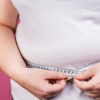
Your weight really does factor into fertility for everyone. Both being underweight or overweight can make it harder to become pregnant. Maintaining weight within a healthy range promotes hormone regulation, consistent cycles, and increased likelihood of a healthy pregnancy.
Underweight Risks
Too low of a weight can disrupt hormone levels, potentially putting you at risk for irregular periods or even skipped cycles. If body fat dips too low, the body might not have sufficient energy reserves to maintain reproductive hormones. This may halt ovulation entirely, rendering it difficult to conceive.
Just like overweight individuals, underweight individuals don’t get enough nutrition. Raising your intake of protein, wholegrains and healthy fats can assist. Nuts, seeds, avocados, and dairy are all great choices.
If putting on weight is tough, collaborating with a dietitian can create a guide that suits your preferences and schedule.
Overweight Hurdles
Excess weight, particularly a body mass index greater than 25 kg/m², increases the risk of ovulatory problems. It can lead to insulin resistance, which disrupts hormone levels in both women and men. Higher BMI is associated with a low sperm count and hormonal imbalances.
Research indicates women with a BMI of 30 to 35 kg/m² are much less likely to become pregnant than those in the 18.5 to 25 kg/m² threshold. Slow and steady weight loss does more to help than anything.
Well rounded meals with fruits, vegetables, lean proteins and whole grains are essential. Even moderate activity—such as brisk walks or cycling—can help boost fertility markers. Health checks along the way will show if weight changes are benefiting hormone balance and reproductive health.

Exercise & Hormone Therapy In St. Paul
Finding Your Balance
These small, realistic goals help weight changes stick. Basic exercise such as walking, swimming or cycling for 30 minutes on most days can assist in gradual weight loss or maintenance.
Well-balanced meals with lots of color—think leafy greens, beans, lean meats and whole grains—deliver nutrients without excess calories. Monitoring your progress with a journal or app is terrific at helping you notice patterns and make adjustments.
Adapt meals and snacks as necessary to maintain weight in a healthy range. It’s an approach that works for all colors and all shapes.
Practical Lifestyle Changes
-
Drink water instead of sugary drinks.
-
Add more vegetables to each meal.
-
Get enough sleep each night.
-
Ask for support from friends or healthcare workers.
Building Your Fertility Plate
A fertility plate pulls from a variety of nutrient rich foods. Selecting nutrition with a balanced blend of vitamins, minerals, good fats, and lean protein, this method can help promote reproductive health for those across all sexes and genders.
I love the Mediterranean-style diet, as research connects it with less fertility woes than a Western-style diet. A combination of whole grains, vibrantly hued fruits and vegetables, and good fats is the foundation. Tailoring your meals to what works for you is what’s important since there’s no one size fits all diet.
Pro-Fertility Foods
Berries, nuts, and seeds are excellent antioxidant sources that might help eggs and sperm combat oxidative stress. Not to mention that they are super easy to sneak onto your meals or snacks!
Leafy greens such as spinach, kale, and Swiss chard provide folate, iron, and vitamins A and C — all vital to reproductive health. Omega-3’s (think salmon, sardines, walnuts, flaxseeds) can help hormone balance and cell health. Studies highlight full-fat dairy, such as yogurt or cheese, as great for women’s fertility — it may cut the risk of infertility by 27 percent.
A well-built fertility plate often includes:
-
Whole grains (brown rice, oats, quinoa): Give steady energy and B vitamins.
-
Lean proteins (fish, poultry, tofu): Supply amino acids needed for hormone and tissue health.
-
Healthy fats (avocado, olive oil, nuts): Support hormone production and cell growth.
-
Colorful fruits and vegetables: Provide antioxidants and nutrients for egg and sperm quality.
-
Full-fat dairy: Linked with lower infertility risk in women.
Foods to Limit
Processed sugars and refined carbs, such as white bread, pastries, and sugary drinks, can lead to blood sugar spikes and interfere with ovulation. Reducing their consumption balances hormones.
Keep caffeine and alcohol low, both can affect fertility. It goes for trans fats, frequently baked into packaged snacks and fried fast food, that can damage reproductive health.
-
Sugary drinks and sweets
-
White bread, crackers, and white rice
-
Fried foods and snacks with trans fats
-
Excess caffeine (over 200–300 mg per day)
-
Alcohol
Meal Planning and Variety
A balanced plate goes beyond the right foods—it’s about diversity, color, and new recipes. Try to make half your plate fruits and vegetables, one quarter whole grains, and one quarter lean protein.
Mixing up your recipes with local or seasonal produce can keep meals fresh and exciting. For instance, sprinkle berries over your breakfast cereal, experiment with a veggie stir-fry with tofu or drizzle olive oil on salads.
Eating this way not only keeps things interesting, but maximizes the nutrient spectrum. Thinking ahead by meal-prep or simply by rotating different grains and proteins through the week can help build long-term habits.
When Diet Needs a Partner
Diet can lay the foundation for robust reproductive health, but nutrition by itself doesn’t always do the trick. Research indicates that combining a wholesome diet with other health-conscious practices can yield stronger outcomes for individuals seeking to enhance fertility.
Consider the Mediterranean diet—high in whole grains, olive oil, fish, nuts, and lots of fresh produce—which was associated with a 20% increased live birth rate in women aged under 35. This trans-fat–low, omega-3–rich plan delivers essential nutrients such as folic acid, vitamin D, calcium, and antioxidants. These support egg quality, hormone balance, and cell health, all of which are important for fertility.
Though good food choices do matter, stress is counter-productive to the body’s natural rhythms. Stress, for example, can disrupt hormone cycles and reduce the likelihood of conception. Incorporate stress-busting habits such as yoga or meditation.
These routines have the ability to soothe the nervous system, reduce stress hormones, and establish a more balanced environment for fertility. Yoga, for example, applies slow moves and breath work to help the body relax. Meditation can boost concentration and improve mood. Even quick daily activities, like ten minutes of deep breathing or mindful walking, will help.
Frequent exercise is another crucial component. Getting active promotes good blood flow and maintains a healthy weight, each of which influences hormone balance and fertility. For most adults, at least 150 minutes of moderate exercise a week—think brisk walking, cycling, or swimming—can assist.
Exercise can aid mental health by reducing stress and boosting energy. Excessive exercise or grueling regimens can disrupt cycles, so moderation is key.
Adopting lifestyle changes is still possible with modest, incremental efforts. Here’s a quick look at some habits that can support fertility:
|
Lifestyle Change |
Benefit for Fertility |
|---|---|
|
Mediterranean diet |
Higher live birth rate, more key nutrients |
|
Stress reduction (yoga, meditation) |
Better hormone balance, calmer mood |
|
Regular exercise |
Healthier weight, improved hormone cycles |
|
Limit trans fats |
Lower risk of ovulation disorders |
|
Adequate calcium intake |
Supports hormone and egg health |
|
Vitamin D from sun or diet |
Linked to higher AMH, better egg reserve |
Research suggests that these easy shifts can team up to promote fertility. Even so, a healthy lifestyle doesn’t guarantee anything. Things such as age, genetics, health history factor in.
Conclusion
Smart nutrition makes a real difference for reproductive health. Easy swaps such as additional whole grains, fresh fruit, and lean protein can make a difference. Small steps, such as exchanging white bread for brown or incorporating nuts in your breakfast — they all accumulate. Focusing on gut health and steady weight provides hormones a better opportunity to remain in harmony. Doctors, dietitians and trusted sources can help fill in gaps. Nutrition does not correct all, but it gives the body the instruments to operate its best. Anyone with questions or special needs should consult a health professional. For additional tips and real stories, explore other guides or contact the team for assistance with the next step.
Frequently Asked Questions
What role does nutrition play in reproductive health?
Good nutrition helps hormone balance, egg and sperm quality and a healthy cycle! It delivers key nutrients required for fertility and conception.
Which nutrients are most important for fertility?
Key are folic acid, iron, zinc, vitamin D, and omega-3s. These nutrients assist with hormone regulation, cell growth and reproductive outcomes.
Can gut health affect fertility?
Yes, a healthy gut promotes hormone balance and nutrient absorption. Gut imbalances can throw off hormone levels and reproductive health.
How does body weight influence fertility?
A healthy body weight can help enhance hormone balance and ovulation. If you’re underweight or overweight it can cause decreased fertility in both men and women.
What foods should I include in a fertility-friendly diet?
Concentrate on whole grains, fruits, vegetables, lean proteins, good fats, and dairy. These foods deliver the nutrients required for the best reproductive health.
When should diet be combined with medical support for fertility?
See a provider if you’re having trouble conceiving after 12 months (or 6 months if over 35). Diet and medical support can go hand in hand.
Is plant-based nutrition effective for reproductive health?
A balanced, plant-based diet can support fertility. Make sure you’re getting enough iron, B12, protein, and omega-3s from varied plant sources or supplements.