If you’ve noticed that sleep feels different after 35, you are not imagining it.
Many women begin struggling with:
- Falling asleep
- Staying asleep
- Waking up exhausted
- Racing thoughts at night
- Night sweats
- Early morning waking
- Feeling tired despite “sleeping enough”
What surprises many women is that these sleep changes are often connected to hormones, stress physiology, and cortisol imbalance — not simply aging.
At LIVLY Wellness in St. Paul, women receive personalized wellness support focused on understanding the root causes behind fatigue, poor sleep, hormone imbalance, and stress-related symptoms.
Because quality sleep affects nearly every aspect of health, understanding why sleep worsens after 35 is essential for long-term wellness.
LIVLY Wellness
790 Cleveland Ave. S Suite 224
St. Paul, MN 55116
612-662-5531
Why Sleep Changes After 35
Many women assume poor sleep is simply part of getting older.
But the truth is more complex.
After 35, hormonal changes often begin affecting the nervous system, metabolism, stress response, and circadian rhythm long before menopause officially occurs.
This transitional period may begin during perimenopause, when hormone levels fluctuate unpredictably.
At the same time, modern stress, work demands, parenting responsibilities, inflammation, screen exposure, and poor recovery habits can overload the nervous system.
The result?
Your body may remain stuck in a heightened stress state that makes deep restorative sleep harder to achieve.
The Hormone-Sleep Connection
Hormones play a massive role in sleep quality.
When hormones begin shifting, sleep often becomes one of the earliest warning signs.
Hormones That Affect Sleep
Estrogen
Estrogen supports:
- Serotonin production
- Mood regulation
- Temperature regulation
- Nervous system stability
- REM sleep quality
As estrogen fluctuates during perimenopause, women may notice:
- Night sweats
- Hot flashes
- Restlessness
- Anxiety
- Frequent waking
Progesterone
Progesterone has calming effects on the brain and nervous system.
It helps support:
- Relaxation
- Sleep onset
- Anxiety regulation
- Nervous system recovery
Progesterone often declines earlier than estrogen, which is why many women first notice insomnia, anxiety, and restless sleep in their late 30s or early 40s.
Cortisol
Cortisol is the body’s primary stress hormone.
It follows a natural rhythm:
- Higher in the morning for energy
- Lower at night for sleep
But chronic stress may disrupt this rhythm.
Many women become “tired but wired,” where the body feels exhausted while the brain refuses to fully relax.
This is often linked to cortisol dysregulation.
What Is Cortisol Dysregulation?
Cortisol is essential for survival, but chronic stress can overload the body’s stress response system.
Stressors may include:
- Work pressure
- Parenting stress
- Financial stress
- Poor sleep
- Chronic inflammation
- Overtraining
- Emotional burnout
- Blood sugar instability
When cortisol remains elevated too long, it can disrupt sleep patterns significantly.
Signs Cortisol May Be Affecting Your Sleep
- Waking between 2–4 AM
- Racing thoughts at night
- Feeling alert late at night
- Anxiety before bed
- Light, non-restorative sleep
- Daytime fatigue with nighttime alertness
- Cravings for caffeine or sugar
Many women experience these symptoms without realizing stress hormones may be involved.
Why Women Over 35 Often Feel “Tired but Wired”
This phrase perfectly describes what many women experience during hormonal transition.
The body feels depleted physically, but the nervous system remains overstimulated.
This may happen because:
- Cortisol remains elevated
- Progesterone declines
- Blood sugar fluctuates
- Sleep quality decreases
- Stress accumulates over time
Over time, poor sleep worsens:
- Fatigue
- Weight gain
- Brain fog
- Mood swings
- Anxiety
- Hormonal imbalance
This creates a frustrating cycle that becomes increasingly difficult to break without proper support.
Perimenopause and Sleep Problems
Many women do not realize that sleep disruption can begin years before menopause.
Perimenopause commonly starts during the late 30s or 40s.
Hormonal fluctuations during this stage can trigger:
- Night sweats
- Insomnia
- Anxiety
- Increased nighttime cortisol
- Mood swings
- Restlessness
- Hot flashes
Women often think:
“I’m just stressed.”
“I’m getting older.”
“I need more caffeine.”
But hormones are frequently part of the picture.
At LIVLY Wellness Hormonal Wellness Support, women can explore personalized wellness strategies designed to support hormonal balance and overall health optimization.
How Poor Sleep Affects the Entire Body
Sleep is not simply about feeling rested.
It affects nearly every major system in the body.
Poor Sleep May Contribute To:
- Weight gain
- Hormonal imbalance
- Increased cortisol
- Insulin resistance
- Anxiety
- Depression
- Brain fog
- Reduced metabolism
- Increased inflammation
- Cravings and overeating
- Low libido
- Reduced exercise recovery
This is why chronic sleep disruption should never be ignored.
Why Weight Gain Often Happens Alongside Poor Sleep
One of the most frustrating symptoms women notice after 35 is sudden weight gain despite healthy habits.
Poor sleep directly affects:
- Hunger hormones
- Blood sugar regulation
- Cortisol levels
- Metabolism
- Fat storage
Sleep and Cravings
When sleep decreases:
- Ghrelin (hunger hormone) rises
- Leptin (fullness hormone) decreases
This may increase cravings for:
- Sugar
- Carbohydrates
- Caffeine
- Processed foods
Meanwhile, elevated cortisol encourages abdominal fat storage.
This is one reason many women notice increased belly fat during periods of chronic stress and sleep disruption.
Why Sleep Gets Worse After 35 Hormones, Cortisol, and Stress Explained
The Anxiety-Sleep Cycle
Anxiety and sleep problems often reinforce each other.
Poor sleep increases cortisol and emotional sensitivity.
Increased anxiety then makes it harder to sleep.
This creates a cycle of:
- Racing thoughts
- Mental exhaustion
- Emotional burnout
- Physical fatigue
- Nervous system overload
Hormonal changes may intensify this process significantly.
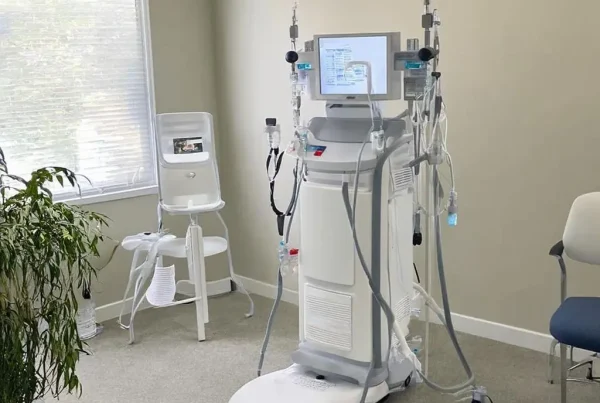
IV Therapy and Wellness Support for Recovery
When women are chronically stressed and sleep deprived, the body may also become nutritionally depleted.
Hydration and nutrient support are important for:
- Energy production
- Nervous system function
- Recovery
- Cellular health
- Stress resilience
At LIVLY Wellness IV Therapy Services, women can explore wellness-focused IV therapy support designed to help promote hydration and overall wellness optimization.
Supporting the body nutritionally may help improve energy, recovery, and resilience during periods of stress and hormonal transition.
Lifestyle Habits That Support Better Sleep After 35
Improving sleep often requires a whole-body approach.
Prioritize Consistent Sleep Times
The body thrives on predictable circadian rhythms.
Try to go to bed and wake up consistently.
Reduce Evening Screen Exposure
Blue light may suppress melatonin production and disrupt sleep signals.
Support Blood Sugar Stability
Balanced meals with protein and fiber may help reduce nighttime cortisol spikes.
Limit Excess Caffeine
Late-day caffeine can worsen cortisol dysregulation and sleep quality.
Strength Train and Move Daily
Exercise supports metabolism, stress regulation, and sleep quality.
Create a Nervous System Wind-Down Routine
Calming nighttime habits may include:
- Reading
- Meditation
- Stretching
- Journaling
- Breathwork
- Magnesium support
- Reduced screen time
Hormonal Wellness and Sleep Optimization
Many women spend years trying to “push through” exhaustion without understanding the hormonal connection behind their symptoms.
The body changes after 35.
That does not mean women should simply accept:
- Constant fatigue
- Insomnia
- Brain fog
- Anxiety
- Weight gain
- Burnout
At LIVLY Wellness in St. Paul, women can explore personalized wellness support focused on:
- Hormonal wellness
- Stress support
- Energy optimization
- Sleep quality
- Metabolic health
- Whole-body wellness
When Should You Seek Professional Support?
You should consider seeking personalized wellness support if you experience:
- Ongoing insomnia
- Night sweats
- Chronic fatigue
- Anxiety
- Brain fog
- Mood swings
- Low libido
- Weight gain
- Feeling exhausted despite sleep
These symptoms are common, but they are not something you simply have to ignore.
Frequently Asked Questions About Sleep and Hormones
Why does sleep get worse after 35?
Hormonal changes, stress, cortisol imbalance, and nervous system dysregulation commonly begin affecting sleep quality after 35.
Can hormones cause insomnia?
Yes. Fluctuations in estrogen and progesterone may significantly affect sleep quality, nervous system regulation, and nighttime anxiety.
What is cortisol and how does it affect sleep?
Cortisol is the body’s primary stress hormone. Elevated nighttime cortisol may cause racing thoughts, nighttime waking, and difficulty falling asleep.
Why do women wake up at 3 AM during perimenopause?
Hormonal fluctuations and cortisol dysregulation may contribute to nighttime waking during perimenopause.
Does poor sleep cause weight gain?
Yes. Poor sleep may affect metabolism, hunger hormones, cortisol levels, insulin sensitivity, and cravings.
Can stress make hormone imbalance worse?
Absolutely. Chronic stress can disrupt cortisol patterns and affect estrogen, progesterone, insulin, and thyroid function.
Can IV therapy help support energy and wellness?
IV therapy may support hydration, nutrient delivery, and overall wellness optimization for women dealing with stress and fatigue.
You Deserve Restorative Sleep and Better Energy
If sleep has become harder after 35, your body may be signaling that something deeper needs attention.
Hormones, cortisol, stress, nervous system overload, and metabolic changes all play interconnected roles in how women feel physically and emotionally.
You do not have to simply accept exhaustion as part of life.
LIVLY Wellness in St. Paul provides personalized wellness support for women seeking better sleep, improved energy, hormonal wellness, and long-term health optimization.
LIVLY Wellness
790 Cleveland Ave. S Suite 224
St. Paul, MN 55116
612-662-5531
Learn more at:
www.livlywellness.com